
We announced and launched the Haley-McCready Outreach and Development Fund – Canada in December of 2021. At the same time, we announced, posted and distributed our first Call for Proposals. By the January 17th proposal submission deadline, we received 11 project proposals.
For the first level of review, all 11 proposals were reviewed by the Burundi Advisory Committee members. The proposed projects are reviewed using the folllowing criteria.
- The quality of the project idea (the clarity, the logic and the writing)
- The feasibility of the project
- The relevance of the project
- The potential for success and impact
- The potential for sustainability
From the first level of review, four agriculture development project proposals were selected for the second level of review; a meeting with each of the four would-be project mangers. From the second review and evaluation process, three proposals remained under consideration. Following some improvements to the proposals, the Burundi Advisory Committee (BAC) members recommended to the Canadian Board of Directors that all three proposals receive the one-time, start-up development grant. The Board of Directors reviewed the recommendations of the BAC, conducted their own evaluation of the proposed projects and decided to award a grant to all three of the proposed agriculture development projects.
- Cultivating Cabbages and Breeding Pigs for Poor and Vulnerable Women from Nderama Hill, Bukinanyana Commune, Cibitoke Province – Project Manager: Etienne KATABIRORA
- Supporting Vulnerable Women in Cultivating Corn and Breeding Goats at Ndava Hill in Buganda Commune, Cibitoke Province – Project Manager: Fabien BIMENYIMANA
- Supporting Vulnerable Women and Girls to Improve Their Socio-Economic Situation by Farming Potatoes and Breeding Pigs in Migano Village, Bukirasazi Commune, Gitega Province – Project Manager: Prosper NIYONGERE
All three develoment projects involve poor and vulnerable women as the project beneficiaries. All three are agriculture development projects and include four major functions; a self-help association, crop cultivation, animal husbandry and microfinancing. All three one-time, start-up grants represent direct investments in development projects that will improve the lives of the women and their families. All three are capacity development projects, designed to enable and impower the women and their association to become self-supporting, self-managing, self-governing and self-sustaining.
With approval of the Canadian Board of Directors, the grant money was transferred to Hope Africa University’s account. The funding agreements were signed by the Project Managers and the first installments of money were then distributed to the Project Managers to present to the association members for transpaarency purposes; counting the money and signing a receipt.
After a long registration period and a significant COVID-19 related delay, the Haley-McCready Outreach and Development Fund has approved grants for three agriculture development projects; the funding agreements have been signed, the first installments of money have been distributed and our first three delevelpment projects have begun implememtation; THE LONG-AWAITED DEVELOPMENT HAS BEGUN!
Cultivating Cabbages and Breeding Pigs for Poor and Vulnerable Women from Nderama Hill, Bukinanyana Commune, Cibitoke Province
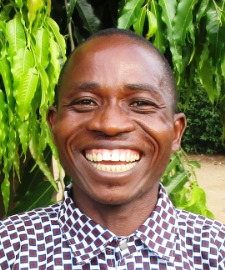
Project Manager: Etienne KATABIRORA
Etienne KATABIRORA has a Bachelor’s Degree from Hope Africa University. Etienne has experience cultivating cabbages, potatoes and other crops and raising pigs and other animals. Etienne has demonstrated ongoing interest in becoming a project manager and he has the advantage of living in the area of his development project.
Developing Association
Working with the local administration, the Project Manager will identify and recruit 8 vulnerable women, including some widows, who will be between 20 to 40 years old and who live at Nderama Hill. The women will be organized into a locally-registered association named “DUFASHANYE” and meaning “Let’s Help Support Each Other.” The association members will elect a President, Secretary-Treasurer and Advisor. There will be regular meetings to discuss the activities of the association.
The purpose of this project is to empower vulnerable women by gathering them into a self-help association and encouraging them to work together in order to address their daily issues and improve their socio-economic situation. Through the association, the project functions will include cultivating cabbages, breeding pigs and microfinancing. The project association will promote self-help and self-support among the beneficiaries.
Crop Cultivation
The association members will work together to do all of the work required for cultivating cabbages; renting fields, buying seed plants, planting the seed plants, fertilizing the fields and harvesting the cabbages. The women will cultivate cabbages during the two growing seasons. After harvesting the cabbages, the beneficiaries will share 50% of the harvest and the association will sell 50% of the cabbages in order to have money to be able to continue supporting cultivation during the next seasons. In order to generate even more revenue for the Association and some for themselves, the women will work for other community farmers. The income from the work will be divided equally with 50% of the money going to the Association and 50% going to the women and their families.
Breeding Pigs
The Project Manager will work with the Executive Committee members to find and purchase 8 pigs for the association. The beneficiaries will be responsible for the care of the pigs. When pigs have piglets, 8 of the first generation of piglets will be given to the beneficiaries. The association will keep the next generation of piglets as will the beneficiaries keep the first and subsequent generations of piglets from their first pig. The pigs represent an important source of organic fertilizer. The pigs represent an important source of income for the association and the beneficiaries.
Microfinancing
Through the project, the beneficiaries will be empowered by a mindset change, related to the value of maintaining self-help through microfinance. The project will develop its own internal microfinancing program. To capitalize the microfinancing, each of the association members will be expected to contribute 500 francs at each of the regular weekly association meetings. The money will be kept in the microfinancing account and it will be used to provide the beneficiaries with loans for income-generating activities. The related income is expected to help with their children’s education expenses and contribute to increasing food security for their families.
Supporting Vulnerable Women in Cultivating Corn and Breeding Goats at Ndava Hill in Buganda Commune, Cibitoke Province
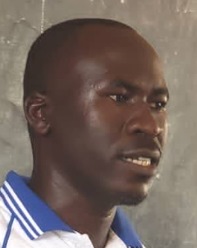
Project Manager: Fabien BIMENYIMANA
Fabien BIMENYIMANA holds a Bachelor’s Degree and a Master’s Degree in Nursing from Hope Africa University. As a student, Fabien was a Minister of Culture and Sports Affairs for the Hope Africa University Student Counsel. Fabien works for the Van Norman Clinic of Hope Africa University and he is the Founder and Legal Representative for a large development NGO called Action for Peace and Community Development (APADECO.
Developing Association
The beneficiaries of this project will be 9 vulnerable women who will be between 18 to 45 years old. The women will be organized into a highly participatory project association that will be called “BIRASHOBOKA” and means “IT’S POSSIBLE.” Each member will be required to sign a loyalty agreement to adhere to the association’s rules and practices. The beneficiaries will democratically elect their leaders: a President, Secretary-Treasurer and Advisor.
The purpose of this project is to reduce poverty of vulnerable women in Cibitoke Province by cultivating corn and breeding goats. The overall goal of this project is to increase the agriculture production capacity and financial power of vulnerable women and their families. In addition to the benefits of belonging to a self-help association, the main project functions will be cultivating corn, breeding goats and microfinancing. To develop the capacities of the beneficiaries, the Project Manager will organize training on developing the association, working in unity, solving problems, cultivating corn, breeding goats, managing money and entrepreneurship. The capacity development training is expected to enhance leadership participation and prepare the members and their association to become self-supporting, self-managing and self-governing.
Cultivating Corn
Through the initial capacity development training, the beneficiaries will learn higher, more modern techniques of cultivating corn and improving the harvests. To get the association members started in cultivating corn, the grant money will be used to rent a two-hectare field. The association members will be involved in the business transactions (e.g., renting land, signing the agreement, buying materials, seed and fertilizer). All the beneficiaries will work together in preparing the field and all of the other cultivation activities. After the harvest, the beneficiaries will get 45% of the corn and 10% will be kept for seed and 45% will be sold by the association in order to support the costs of the continuation of cultivating corn. The association members will work for other farmers to earn additional income; 50% for the association and 50% for the women and their families.
Breeding Goats
At the beginning of the project, the Project Manager will organize training on raising and breeding goats and using the manure for composting. The Project Manager and the association members will use some of the start-up grant money to select and purchase 9 adult female goats that will be owned by the association. Each of the 9 beneficiaries will be given a goat and they will be responsible for sheltering, feeding and looking after the goat with assistance from a veterinarian. The first generation of kids will belong to the beneficiaries and when they have three or four goats they will be able to sell a goat for significant income for their families. The second generation of kids from the association’s goat will belong to the association and can be sold to generate capital for the association.
Microfinancing
Although the conditions of life are difficult for vulnerable women, each member must work hard to get 500 BIF per week to contribute to the microfinancing fund. This money will be important because it will be something like the beneficiaries having their own community bank. The money will sometimes be used to assist and support the members with expenses. The money will primarily be used to provide small loans that must be repaid at a low 3% rate of interest. The association members will be encouraged to take loans in order to start income-generating activities and, thereby, produce income for themselves and their families.
Supporting Vulnerable Women and Girls to Improve Their Socio-Economic Situation by Farming Potatoes and Breeding Pigs in Migano Village, Bukirasazi Commune, Gitega Province
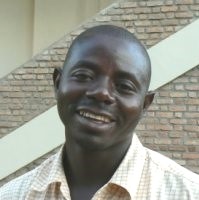
Project Manager: Prosper NIYONGERE
Prosper NIYONGERE is a graduate of the Entrepreneurship and Business Management Program at Hope Africa University. For the past four years, Prosper has been the successful Project Manager for an agriculture development project that began with a start-up grant from the US-based Haley McCready Outreach and Development Fund.
Developing Association
This project will recruit 8 vulnerable women comprised by orphan girls, widows and landless women whose ages will be between 18 to 55 years old. The women will be organized into a project association named “TUJEHAMWE” and meaning, “To Be Together.” To join the project and the association, each woman will be expected to sign a contract, agreeing to adhere to the association’s rules and to work as a volunteer in order to serve the common interests. The association will be registered with local administration.
The purpose of the project is to improve the health and socio-economic conditions of widows, orphan girls, and landless women. Through the association, the major functions will be farming potatoes, breeding pigs and microfinancing. The project aims at developing capacity, improving the quality of life of the beneficiaries and, thereby, enabling the association members to become self-supporting, self-managing, self-governing and self-sustaining.
Farming Potatoes
The Project Manager and three officers will rent land and sign an agreement with the landowner in the witness of all association members and representatives of the local administration. Association members will exploit the land by cultivating potatoes. Potatoes are preferred to cultivate for this project because they give a good harvest and can generate more money than other crops. The association members rent a large field in April 2022 and plant potatoes in May so that they will be able to harvest in September 2022.
The beneficiaries will serve as the voluntary workforce for the cultivation which includes preparing the land, planting seed potatoes, fertilizing the field, weeding the field and harvesting the potatoes. At each harvest, association members will share 40% among themselves and their families, save and store 20% for seed and sell 40% for self-support of the continuation of crop cultivation. The association members will work for other community farmers to earn additional money to support the association with 40% of the income and support their families with 60% of the income.
Breeding Pigs
Some of the grant money will be used to build a pig pen and buy 3 adult female pigs for the association. The beneficiaries will feed and care for the pigs. From the first generation of piglets, one piglet will be distributed to each of the beneficiaries and the association will keep three piglets and sell the rest for capital to be deposited in the association’s account. The association will keep the next generation of piglets as will the beneficiaries keep the first and subsequent generations of piglets from their first pig.
By the association owning, breeding and selling pigs, it will allow the association to develop capital to support, grow and sustain the project. In the event of unexpected poor harvests and other challenges, the association must be able to ensure that crop cultivation and self-support can continue. To strengthen and expand the project, the association must have money and be able to generate income.
Microfinancing
The association members will be organized into a savings and loans group (SLG). Money will be kept into a small box with three locks and the keys will be kept by three different members of the association. An account will be opened at a microfinance organization on which three members will be required to sign the cheque to withdraw any money. Before any withdrawal, all association members will need to meet and sign the minutes, approving the withdrawal of money. The Project Manager will train the association members on savings and loans methodology. The Project Manager will train the association members on Entrepreneurship and finance literacy. The association members will work for other community farmers to earn additional money to support the association with 40% of the income and support their families with 60% of the income.
From the grant money, a one-time sum of 180,000 BIF will be deposited in to the association’s microfinancing account to provide capital to allow for loans for small income-generating businesses. Each woman will have the right to borrow at least 22,500 BIF to start up a small income-generating business. The loan must be repaid within three months and with 3% interest per month. The payments with interest will be deposited by into the association’s microfinancing account. At each sharing day (between nine and twelve months) this sum of 180,000 BIF will not be shared, but the additional money will be shared among the beneficiaries.