
This Newsletter provides an update on the Canadian Haley-McCready Outreach and Development Fund (H-MODF). We have some changes to announce about our Board of Directors. From our first Call for Proposals 2022, we have three existing agriculture development projects that are doing well. Following our collaborative Agriculture Development Workshop, we now have some exciting collaboration with Hope Africa University and their Agriculture Program graduates. From our recent Call for Proposals 2023, we now are able to announce some collaboration on agriculture development, agriculture project development and the beginnings of four new agriculture development projects and five new Project Managers, including four Project Managers who are HAU Agriculture Program Graduates.
- Resignation of one of our founding Directors
- Appointment of a new Director
- Collaboration on agriculture development
- Approval of four new agriculture development projects
- Five new volunteer Project Mangers; four of whom are HAU Agriculture Program Graduates
Resignation of Founding Director
Sadly, the Board of Directors recently accepted the resignation of Burton Hamilton; one of the founding the Board Members of the Canadian Haley-McCready Outreach and Development Fund (H-MODF). Burton is experiencing health challenges that lead him to submit his resignation.

Appointment of a New Director
Gladly, the Board of Directors is pleased to announce the appointment of Lois Meredith as new Director of the Haley-McCready Outreach and Development Fund. Lois has many years of service and experience in Burundi and other countries.
Lois graduated from London Teacher’s College and began her career by teaching in elementary school in Ontario for 10 years. She then travelled to Burundi and taught missionary children for three years. Lois was commissioned by the Free Methodist Church Mission Board, assigned to Burundi and worked on education in schools, accounting training for churches, organizing Vacation Bible Schools for churches and visiting and encouraging rural churches. Lois moved on to Rwanda and then to Kenya, where again her work involved in training and accounting.
After her retirement, Lois volunteered and worked for six years with the International Child Care Ministries (ICCM) in Ethiopia. More recently, Lois worked in Burundi another 4 winters with the Finance Department of Hope Africa University. Currently, Lois is settled in Canada and joining the Board of the H-MODF provides her with the opportunity to continue her long-term service to Burundi. Welcome to the Board Lois!
COLLABORATION ON AGRICULTURE DEVELOPMENT
The Free Methodist Church of Burundi has a well-conceived community agriculture program well underway. Hope Africa University has a new two-year academic agriculture program. The H-MODF is involved with providing one-time, start-up grants to associations of poor and vulnerable women to pursue agriculture development projects.
In February this year, the Church, the University and the H-MODF worked together to plan and hold a very well-attended, very successful collaborative Agriculture Development Workshop; the Workshop was the first time that the agriculture involved people from the three organizations got together.
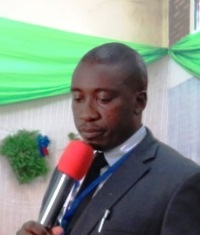
Addressing Community Mobilization and Holistic Transformation, Bishop Déogratias NSHIMIYIMANA provided a powerful presentation on the Christian obligation to reach out and work with the poor.
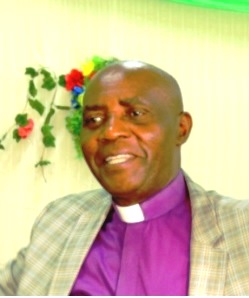
Rector Victor BARANTOTA provided a presentation on Hope Africa University, Facing African Realities and the new two-year Agriculture Program. During his presentation, he looked directly at John McCready, Founder and Program Director of the H-MODF, and stated that the University would be working in partnership with the with the Haley-McCready Outreach and Development Fund on the development of the critical Agriculture Extension Program. Right after the Workshop, John spoke to the Rector about his statement on working in partnership to develop the Agriculture Extension Program and the Rector said, “Yes, that is my commitment to you!”
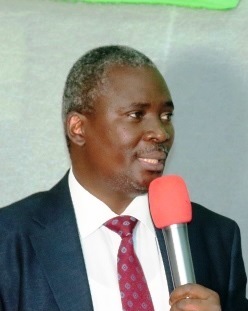
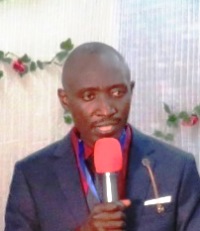
President Betty Overton’s presentation was entitled The Goals of the Modern University: A Modest Proposal for HAU’s Agricultural Program. In her presentation she suggested that the University, the Church and the H-MODF collaborate in developing the agriculture Agriculture Extension Program aimed at community farmers and community farming.
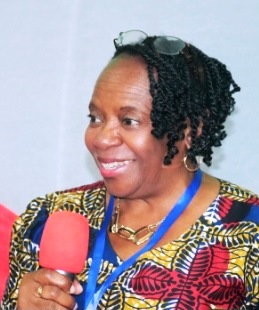
At the Workshop, H-MODF Founder and Program Director, John McCready; Program Coordinator, Dieudonne IRAMBONA; and, Project Manager, Barthelemy MINANI provided presentations on the H-MODF, How It Works and an Agriculture Community Needs Assessment: Findings and Conclusions.
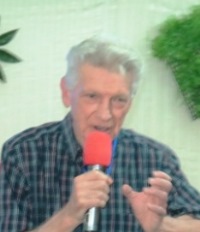
We know that Burundian community farmers use traditional less productive agriculture methods. We know that simple, modern agriculture methods are much more productive and these methods can be easily taught, learned and used by community farmers.
The development of the critical collaborative Agriculture Extension Program refers to developing and providing outreach agriculture services for community farmers throughout Burundi: (1) accessible practical training on modern more productive methods; (2) accessible practical demonstration on modern more productive methods; and, (3) accessible ongoing, follow-up support on using modern more productive methods.
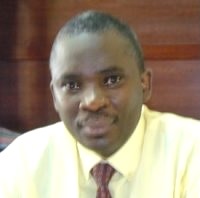
Following the collaborative Agriculture Development Workshop in February, we now have significantly increased support from Hope Africa University Rector Victor BARANTOTA and the new Agriculture Program Head Cyprien NTUNZWENIMANA for developing the critical, collaborative Agriculture Extension Program and the related Agriculture Extension Services (developing the capacity of community farmers).
Collaborative Connections
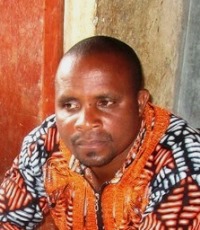
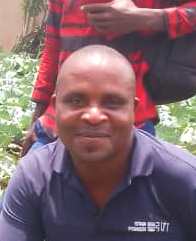
With the Rector’s support, we are already working very well with Cyprien in organizing connections between the HAU Agriculture Program Graduates and our Project Managers (introductions, contact information exchange, collaboration encouragement and onsite, field visits to our agriculture development projects). Through onsite visits to different communes, we have made good connections between 8 Agriculture Program Graduates and 8 Projects, Project Managers, Project Associations and Project Beneficiaries. Cyprien was part of one of our onsite visits to an agriculture development project in his home province of Gitega. We are continuing to organize more connections between other Agriculture Graduates and other Project Managers in other communes where we have agriculture development projects.
Collaborative Project Development
With the Rector’s support, we are already working very well with Cyprien in encouraging HAU Agriculture Program Graduates to consider developing and submitting proposals to the H-MODF for agriculture development projects and working with associations of poor women on crop cultivation and animal husbandry. Three Agriculture Graduates were identified and asked if they would like to develop a project proposal. The Graduates were provided with a copy of the Application Package and provided with more information and assistance in understanding the proposal outline, format and instructions. Some assistance was provided as the Graduates drafted and completed their project proposals. The H-MODF Burundi Advisory Committee members met with would-be Project Managers, evaluated the proposals and responses to questions and recommended the projects for a grant. The proposed and recommended projects were reviewed by the Board of Directors and the project grants were approved.
Collaborative Development of Agriculture Extension Program
With the Rector’s knowledge and support, we are already working with Cyprien on exploring the opportunities to include at least some direct contact and some practical hands-on experience with community farmers and community farming projects during the four-month Internship of the HAU academic Agriculture Program.
With the Rector’s knowledge and support, we are already working with Cyprien on exploring the opportunities to develop and offer Agriculture Extension Services: practical training, practical demonstration and practical ongoing support for community farmers in their own fields.
FOUR NEW AGRICULTURE DEVELOPMENT PROJECTS
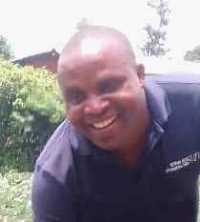
We are in the mist of providing grants for four new agriculture development projects with five new volunteer Project Managers and four of the new Project Managers are recent Graduates of the Hope Africa University Agriculture Program.
- Empowering Vulnerable Women from Kayanza Province, Kabarore Commune at Caratsi Hill by Cultivating Crops and Breeding Pigs, Project Manager: Abbie RUBUMBA
- Cultivating White Potatoes and Cabbage and Breeding Pigs for Vulnerable Women from Gitunga Hill, Muyebe Zone, Kayokwe Commune, Mwaro Province, Project Manager: Alfred BIKORIMANA
- Cultivating Maize and Soya and Breeding Pigs for Vulnerable Women from Rugombo, Munyika II, Cibitoke Province, Project Manager: Mathieu NIYONKURU
- Supporting Vulnerable Women from Bujumbura Province, Isale Commune, Nyakibande Hill by Cultivating Corn and Beans and Breeding Goats, Project Managers: Nelly SIBOMANA and Christian NIYIBIKUNZE
Empowering Vulnerable Women from Kayanza Province, Kabarore Commune at Caratsi Hill by Cultivating Crops and Breeding Pigs
Project Manager: Abbie RUBUMBA
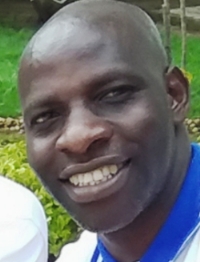
Abbie RUBUMBA holds a Bachelor’s Degree and a Master’s Degree from Hope Africa University. Since 2017, Abbie has been the Logistics Manager at Hope Africa University and Rev. Abbie is a Pastor with the Free Methodist Church of Burundi. As a representative of the Church, Abbie attended the collaborative Agriculture Development Workshop.
Kayanza is one the northern provinces of Burundi. The province is known for its tea and coffee production. It is one of 18 provinces with higher population density. It is subdivided into nine communes one of which is called Kabarore. The majority of the population of Caratsi colline is confronted with malnutrition following the weak harvests and poverty which touches all spheres of family life. Many families have small, non-fertility land. Their weak financial capacity leads them to have limited visions for their future. For these poor families, the excessive exploitation of their small lands from one year to another is their only way to survive.
Developing the Association
With help from the local administration, 10 poor and vulnerable women, including some widows, will be selected to be the project beneficiaries and members of the project association. The women will learn about the project and project association and be expected to sign an agreement to be active and loyal members. The association will be named MUKENYEZI IKANGURE (Awaking Women) and it will be a democratic organization with equal members involved in the decision-making and the project work. The members will elect a president, vice-president and secretary/treasurer. The association will be registered with the colline. With guidance from the Project Manager and through crop cultivation, animal husbandry and microfinancing, the project association is expected to invest the one-time start-up grant to become self-supporting, self-managing, self-governing and self-sustaining. When the association and the project are strong, the Project Manager will encourage the beneficiaries to develop an extension replication project with its own project association.
Cultivating Crops
To initiate crop cultivation, the Project Manager will train the beneficiaries on modern more productive agriculture methods. The project grant money will be used to rent one field of about two hectares for cultivating potatoes and cabbages. In addition, the grant money will be used to purchase some hoes, manure, fertilizer, equipment and seed potatoes and cabbages. All the beneficiaries will work together in the cultivating and harvesting the potatoes. The beneficiaries will share 50% of the harvest, 10% will be saved for seed and the remaining 40% will be sold and the money will be kept by the association to support ongoing, self-supporting crop cultivation.
Breeding Pigs
After crop cultivation has become self-supporting, the remaining grant money will be used to build a pig pen and purchase 3 female pigs that will belong to the association. The beneficiaries will be in charge of feeding, caring for and protecting the pigs from thieves. After the pigs have piglets, each beneficiary will be given a female piglet of their own and the rest will belong to the association. With the association and the beneficiaries owning pigs, the association and the beneficiaries share in and benefit from income generation from selling pigs when needed.
Microfinancing
Following the two compulsory training sessions and organizing a self-help group using a SAL (Savings and Loans) approach, the association will establish microfinancing. The initial capital will come from some start-up investment from the grant money (about 100,000 BIF) and the capital will be maintained by weekly contributions of 500 BIF from the beneficiaries. The money will be kept securely and used for low interest, repayable loans to allow the faithful members of the self-group to pursue income generating activities.
The beneficiaries will be encouraged to secure additional work from other people. If additional work is secured and pursued, the association will receive 50% of the proceeds and the remaining 50% will be distributed fairly to women for themselves and their families.
Cultivating White Potatoes and Cabbage and Breeding Pigs for Vulnerable Women from Gitunga Hill, Muyebe Zone, Kayokwe Commune, Mwaro Province
Project Manager: Alfred BIKORIMANA
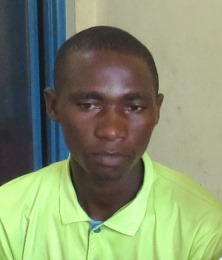
Alfred BIKORIMANA was selected by the Free Methodist Church of Burundi to attend the new Hope Africa University Agriculture Program and he received a two-year scholarship from Friends of Hope Africa University. He graduated in February and he attended the collaborative Agriculture Development Workshop.
The location of this project will be at Gitunga Hill, Muyebe Zone in Kayokwe Commune, Mwaro Province; the central province in Burundi. In this area, there are many people who need to be helped. Their work is to cultivate crops and breed animals, but they do it using less productive traditional methods. As a Project Manager, who recently graduated from Hope Africa University’s Agriculture Program, Alfred will contribute in the development of the project and the locality by teaching poor and vulnerable women to use modern more productive methods for themselves and their families. The project aims to alleviate poverty, generate income and become self-supporting by developing an association, cultivating crops, breeding pigs and microfinancing.
Developing the Association
As the project for 8 poor and vulnerable women, this self-help project will be an important opportunity for the women to work together to help each other and this is the reason why the project association will be called “NDUZANKUDUZE” which literally means ‟Supporting Each Other.” The selection of members will be done in consultation with the local authorities. Before inviting the women to join the association, the Project Manager will interview each woman to ensure their eligibility and suitability. In becoming an association member, each woman will need to sign an agreement that they will be a hard-working, loyal member, willing to serve the collective interests of the association. The Project Manager will help the association members to elect their officers; a president, secretary, treasurer and counsellor. Every week, there will be meetings to discuss the development and work of the association.
Cultivating Crops
The Project Manager and the association members will search for suitable land to rent for cultivating white potatoes and cabbages. Once the land is identified and selected, the beneficiaries will develop a rent agreement, pay the money and secure a receipt. The association will purchase some hoes, manure, fertilizer and seed potatoes and cabbage seeds. All of the beneficiaries will work together to prepare land, plant the seeds, care for the plants and harvest the crops. Before the cultivation begins, the Project Manager will meet with the beneficiaries for the capacity enhancement on modern practices for cultivating white potatoes and cabbages. The beneficiaries will share 50% of harvest for the consumption of their respective families. The beneficiaries will save 10% of the harvests to serve as the seeds for the next cultivation season. The association will sell 40%of the harvest to sustain the crop cultivation as a self-supporting function.
Breeding Pigs
Once the crop cultivation function has become self-supporting, the project will prepare to become involved in the animal husbandry function. The Project Manager (an agronomist) will meet the beneficiaries for the capacity development for modern practices for caring for and breeding pigs. With help from the Project Manager, who is skilled in animal well-being, the association members will build a pig pen and select and purchase 3 healthy adult female pigs that will belong to the association. Each of the beneficiaries will contribute in the care and feeding of the association’s adult pigs. The beneficiaries will gather various grasses and additional pig food will be purchased. When the association’s pigs produce piglets, each of the beneficiaries will be given a female piglet from this first generation of piglets and the remaining piglets will belong to the association. As the pigs reproduce, the association will be able to sell pigs to generate income to benefit the project and the beneficiaries will be able to sell pigs to generate income for themselves and their families.
Microfinancing
For the association to have a good start-up in microfinance, the Project Manager intends to allocate 90.000 BIF in microfinance as a start-up grant. The money will always be kept for microfinance purposes. To add to the microfinancing fund, the beneficiaries will contribute 500 BIF per week. The weekly collected amount will kept in a box with three locks. The box will be kept by the treasurer-secretary. The keys will kept by different association members who are not among the officers. In the case of the need of a withdrawal from the bank account or the microfinance box, the association members will hold a meeting and to consider and approve a withdrawal.
The association members will be encouraged to take refundable loans with 5% interest in order to start some income generating activities in order to become socio-economic independent. When an association member will need to start small business or for any understandable reason, the association will vote the distribution of a refundable loan. Once approved, the loan will be issued. For the security of the association money, the association members will determine how much money will be kept in the box. The extra money will be kept on the association bank account.
The association members will also be encouraged to work for a general income activity such as working for others, buying and selling, etc. The 40%of the income will be kept in the association account and 60% will be shared among the involved members in such activity.
Cultivating Maize and Soya and Breeding Pigs for Vulnerable Women from Rugombo, Munyika II, Cibitoke Province
Project Manager: Mathieu NIYONKURU
Mathieu NIYONKURU was selected to attend the Hope Africa University Agriculture Program and he received a two-year scholarship from Friends of Hope Africa University. He graduated in February and he attended the Agriculture Development Workshop.
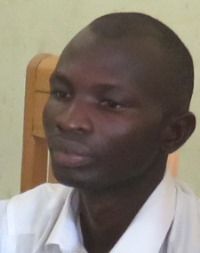
This project will be implemented at Munyika II Colline, Rugombo Commune, located in the northern part of Cibitoke Province. With or without a husband, women hold responsibilities for caring for children, buying food, paying school fees and more. The challenges are particularly difficult for poor and vulnerable women of which there are many in Rugombo Colline. After realizing this need of help and as graduate of the HAU Agriculture Program, the idea of a self-help association and an agriculture development project seems like a good way of helping needy women and their families.
The goal is to put women together, teach them how they can overcome their vulnerability through working together, changing their mindset and engaging in agriculture developmental activities. The project will replace traditional agriculture methods by teaching the women modern, more productive ways of farming crops and breeding animals. The project is expected to change their economic status and become self-supporting.
Developing the Association
This project plans to organize 8 poor and vulnerable women into a project association that will be called “DUHINDURE KAZOZA” (Let’s Change Our Future). The women will be identified in consultation with the leaders of the colline and will include widows and women abandoned by their husbands. After the selection of beneficiaries, the Project Manager will describe the project and the association and ensure that the women are willing to sign an agreement to loyally serve the interests of the association. The Project Manager will assist the association members in electing officers; a president, vice-president, secretary and treasurer, and registering the association with the colline. The Project Manager train the women in modern more productive methods of cultivating crops and caring for pigs and train the women in microfinancing, savings and loans. There will be weekly meetings to discuss and plan the association’s development work in cultivating crops, breeding pigs and microfinancing.
Cultivating Crops
Once the start-up money for crop cultivation is available, the Project Manager will meet the beneficiaries for the capacity enhancement on modern more productive practices for cultivating maize and soya. With guidance from the Project Manager, the beneficiaries will search for land to rent, pay the money and obtain a receipt. The beneficiaries will purchase hoes, manure, fertilizers and selected seeds of maize and soya. All of the beneficiaries will be work together to prepare the land, plant the seed and follow-up the growth of the crops until the day of harvest. As far as the harvest management and sustainability plan is concerned, the beneficiaries will share 50% of the harvest for their respective family consummation. The association will sell 40% of the harvest to sustain agricultural needs and the equivalent amount will be kept on the bank account of the association. At the end, the beneficiaries will save 10% of the harvest that will serve as the seeds for the next cultivation season.
Breeding Pigs
Once the crop cultivation function has become self-supporting, the Project Manager will meet the beneficiaries for capacity development on modern practices for the care, breeding and raising of pigs. The Project Manager, who is skilled in animal well-being, will help the women build a modern pig pen, select and purchase healthy adult female pigs that will belong to the association. The beneficiaries will care for pigs and so there will be a clear plan for feeding pigs that includes gathering food the pigs and purchasing and storing extra, special food for pigs. When the pigs produce piglets, each beneficiary will be given a piglet. The remaining piglets will belong to the association. As the pigs reproduce, the association and its member will be to sell pigs to generate income for the association and women and their families.
Microfinancing
The project will develop and promote microfinancing and good practices for savings and loans. For the association to have a good start in microfinancing, the project will allocate about 100,000 BIF from the grant money for the microfinancing account. The money will always be kept for microfinance purposes. In addition, each association member will be required to contribute 500 BIF for the microfinancing account and 100 BIF for social assistance each week. The weekly collected amount will be kept in the box with three locks. The box will be kept by the treasurer-secretary. The keys are kept by different association members who are not among the officers. In the case of the need of a withdrawal whether on the bank account or on the microfinance box, the officers invite the association members for a meeting to state the needs and approve withdrawals.
The association members will be encouraged to start some income generating activities in order to become socio-economic independent. When an association member will need to start a small business or for every understandable reason, the association will vote the distribution of a refundable loan with an interest of 5%. Once agreed, the loan will be issued. For the security of the association money, the association members will determine how much money will be kept in the box. The extra money will be kept on the association bank account.
The money contributed under the name of social assistance will be used in case of a social problem like a member who is in the hospital, a member of the association whose family member is dead or experiencing some other problem. If a woman has such a problem, they will be given 20,000 BIF for social assistance in order to consolidate the love and solidarity among the members of the association.
The association members will also be encouraged to work for a general income activity such as working for others, buying and reselling, etc. The 50% of the income will be kept in the association account and other 50% will be shared among the involved members in such activity.
Supporting Vulnerable Women from Bujumbura Province, Isale Commune, Nyakibande Hill by Cultivating Corn and Beans and Breeding Goats
Project Managers: Nelly SIBOMANA and Christian NIYIBIKUNZE
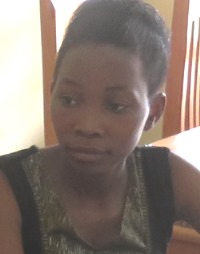
Nelly SIBOMANA was selected to attend the Hope Africa University Agriculture Program and she received a two-year scholarship from Friends of Hope Africa University. She graduated in February and she attended the collaborative Agriculture Development Workshop.
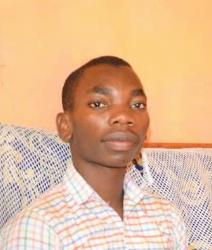
Christian NIYIBIKUNZE was selected to attend the Hope Africa University Agriculture Program and he received a two-year scholarship from Friends of Hope Africa University. He graduated in February and he attended the Agriculture Development Workshop.
The project will be implemented in Bujumbura Province, Isale Commune, Nyakibande Hill located in the western part of Burundi. Climate change has affected agricultural production in recent years, leading to food insecurity, especially among vulnerable groups such as women, children and the elderly. Women, in particular, face numerous challenges due to cultural stereotypes and discrimination, making it difficult for them to access resources like credit, training and technology. This project will be managed by a self-help association that specializes in providing support for vulnerable women. The project association will work closely with community leaders and local authorities to ensure the success of the project. Through the association, cultivating crops, breeding goats and microfinancing, the women are expected to become self-supporting, self-governing and self-sustaining.
Developing the Association
With guidance from the Project Managers, the project will develop a self-help association of 8 poor and vulnerable members that specializes in providing support to poor and vulnerable women. The association will work closely with community leaders and local authorities to ensure the success of the project. The association “DUTEGUREJO HEZA” (Preparing for a Better Life) will be responsible for overseeing the implementation of the project activities at the local level, ensuring that they are aligned with the project goals, and collaborating with relevant stakeholders to enhance the sustainability of the project outcomes.
Cultivating Crops
To start the crop cultivation function, the Project Managers will meet the beneficiaries for capacity enhancement on modern more productive practices for cultivating corn and beans. With help from the Project Managers, the project beneficiaries will search for land to rent for crop cultivation, pay the money and obtain a receipt in sight of the beneficiaries. The grant money will be used to purchase hoes, manure, fertilizers and selected seeds.
With guidance from the Project Managers, the women will work together to prepare the land, plant the seeds, nurture the plants and harvest the crops. The beneficiaries will share 50% of the harvests for their respective families. The association will sell 40% of the harvest to continue and sustain crop cultivation. The equivalent amount will be kept on the bank account of the association. At the end, the beneficiaries will save 10% of the harvest that will serve as the seeds for the next cultivation season.
Breeding Goats
Once the crop cultivation function has become well-established and self-supporting, the Project Managers will train the beneficiaries on modern practices of building pens, caring for and breeding goats. With help from the Project Managers, grant money will be used to buy 8 healthy adult female goats that will belong to the association but be cared for by the 8 beneficiaries. The first generation of baby goats will be given to the beneficiaries. In time, the association and the beneficiaries will both have goats that reproduce and can be sold to generate income for the association and income for the individual beneficiaries and their families.
Microfinancing
The project intends to promote good practices for savings and loans. The beneficiaries will contribute 500 BIF per week for microfinancing. The weekly collected amount will be kept in the box with three locks. The box will be kept to the treasurer-secretary. The keys will be kept by different association members who are not among the officers. In the case of the need of a withdrawal whether on the bank account, the association members will hold a meeting and sign for a withdrawal. For bank account, only the officers will be able sign on the check bill.
The association members will be encouraged to start some income generating activities in order to become socio-economic independent. When an association member will need to start a small business or for another understandable reason, the association will vote on the distribution of a refundable loan with an interest of 5%. Once agreed, the loan will be issued. For the security of the association money, the association members will determine how much money will be kept in the box. The extra money will be kept on the association bank account.
In addition, the association members will be encouraged to work for a general income activity such as working for others, buying and reselling, etc. The 40% of the income will be kept in the association account and other 60% will be shared among the involved members in such activity.
Please consider investing in agriculture development that works. For instructions on how to donate, please click on the tab above or use the link below.
Donations – Haley-McCready Outreach and Development Fund (haley-mccreadyfund.ca).