
In response to the Canadian Haley-McCready Outreach and Development Fund (H-MODF) Call for Proposals 2024, we received 18 project proposals. We short-listed 5 project proposals and the Burundi Advisory Committee interviewed the 5 would-be Project Managers. Conditional on some improvements to the project proposals, the Burundi Advisory Committee recommended a grant for all 5 of the agriculture development projects. The Board of Directors required some additional Implementation Conditions and Commitments and approved the 5 projects for a grant.
- Cultivating White Potatoes, Maize and Red Onions and Breeding Goats for 10 Vulnerable Women from Mukonko Hill, Matara Zone, NYABIRABA Commune in BUJUMBURA Province, Project Managers: Alice NIHORIMBERE and Divine ICOYITUNGIYE
- Raising the Socio-Economic Welfare of Vulnerable Women by Cultivating Crops and Breeding Pigs in Bubanza Province and Commune at Kabirizi Colline, Project Manager: Ange Paulette GIRIZINA
- Supporting Single Mothers of SASWE Colline, KIGAMBA Commune in CANKUZO Province through Cultivating Potatoes and Breeding Goats, Project Managers: Divine NIRAGIRA and Sylvie NDAYIRUKIYE
- Cultivating Beans and Corn and Raising Goats for Vulnerable Women in Kaburantwa Colline, Buganda Commune in Cibitoke Province, Project Managers: Emmanuel IRANDIHA and Adolphe NIYUBUNTU
- Growing Maize and Beans and Raising Goats for Vulnerable Women in the Bumbiri II and Kaburantwa Sectors, Gasenyi Zone, Buganda Commune, Cibitoke Province, Project Manager: Sadi BIGIRIMANA
The 5 new projects have a total of 8 new Project Managers and 7 of the new Project Managers (87.5%) are Hope Africa University Agriculture Program Graduates. The new projects include our first project in CANKUZO Province and it has our first Project Coach; Epithace NDUWAYO, an experienced Project Manager originally from CANKUZO Province.
PROJECT SUMMARY DESCRIPTIONS
Cultivating White Potatoes, Maize and Red Onions and Breeding Goats for 10 Vulnerable Women from Mukonko Hill, Matara Zone, NYABIRABA Commune in BUJUMBURA Province
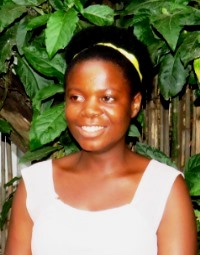
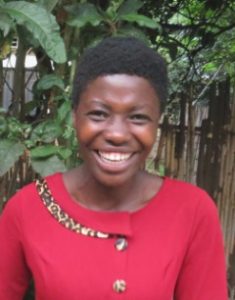
Project Managers: Alice NIHORIMBERE and Divine ICOYITUNGIYE
Alice and Divine are Hope Africa University Agriculture Program Graduates. They were selected by the Free Methodist Church of Burundi and received a two-year scholarship from Friends of Hope Africa University. As Project Managers and Agriculture Program Graduates, Alice and Divine will be able to help the beneficiaries learn and use more productive methods for crop cultivation and better care methods for animal husbandry.
Introduction:
In BUJUMBURA Province, NYABIRABA Commune, MATARA Zone, there are many poor people and a large number are vulnerable women who really need help. Their daily work could be to cultivate crops and breed animals but they do not have money or the knowledge to get involved. Accordingly, many women live in extreme poverty and they are suffering as are their children. Recognizing the very difficult situation that the poor and vulnerable women face day after day, the Project Managers, who are Agriculture Program Graduates and live in MUKONKO, decided they would like to do something for some of the vulnerable, poverty-stricken women and their families.
The Project Managers recognized that they could apply for a development grant from the Haley-McCready Outreach and Development Fund. They could organize a group of women into an association and enable the women to work together to become involved crop cultivation, animal husbandry and microfinancing. In doing so, the women will be able to provide more food to their families, acquire some much-needed income and help support their children’s education.
With the one-time, start-up development grant, the project will allow the Project Managers to develop a self-help association and enable the association members to have their own crop cultivation, animal husbandry and microfinancing. Since the Project Managers are also Graduates of the Agriculture Program, the women will be trained to use more productive agriculture methods and better methods of caring for animals. The project is designed to become self-supporting, self-governing and self-sustaining and the project will alleviate poverty and improve the lives of the women and their family members.
Developing the Association
The Project Managers will work with the local administration to identify and recruit prospective members of the project association. The association is expected to have 10 poor and vulnerable women ages between 25 and 50 and who live together at Mukonko Hill. After describing the project and getting to know the women, 10 women will be invited to join the association and sign an agreement. The association will be called the TWITEZIMBERE Association, meaning Let’s Develop Ourselves. Once the association has been organized, the members will elect their officers, establish a bank account and register the association with the colline. All of the association members will participate in meetings at least once a week to discuss the association’s business and the work plans. The Project Managers will train the women on modern methods of cultivating crops, breeding goats and providing microfinancing. The self-help association will be the key to having the women work together successfully on development to alleviate poverty and improve their lives.
Cultivating Crops
The Project Managers; Agriculture Program Graduates, and the association members will search for suitable land to be rented for cultivating white potatoes, maize (corn) and red onions. With signed contracts for the fields, the association will purchase hoes, seeds and manure. With guidance from the Project Managers, the association members will be responsible for the composting, planting, mulching, weeding, fertilizing and harvesting. The beneficiaries will share 60% of harvest for feeding their families, the association will store 10% of the harvest for seed and the association will sell 30% of the harvest to ensure there is adequate money to support ongoing crop cultivation. For the project to be successful, it is critical for the crop cultivation function to become self-supporting and long-lasting. To generate additional income, the beneficiaries will be encouraged to work for other farmers and split the money between the association and the beneficiaries.
Breeding Animals
Once the crop cultivation has become self-supporting, the Project Managers will train the women on caring for goats and assist them in building pens for the goats. The Project Managers and association members will buy 10 young female goats for the association and distribute one to each woman. The beneficiaries will contribute in caring and feeding goats and the manure will be used for composting and fertilizing the fields. When the goats produce kids, the first baby goats will belong to the beneficiaries but the women will continue to keep the mother goats for the association. As the number of goats increases, some of the goats will be sold to generate income for the association and the beneficiaries and their families. The goats represent an important potential source of income for the association and the beneficiaries and their families.
Microfinancing
The association members will organize an internal microfinancing system and each beneficiary will contribute 500 BIF every week. The collected money will be kept in a box with three locks and the keys will be held by three different association members. The collected amount will not exceed twenty thousand Burundi francs in the box. The amount will be deposited to the bank account with the label of “WEEKLY CONTRIBUTIONS”. All withdrawals will be approved in advance at an association meeting. Some of the money will be used for emergencies or social assistance but most of it will be available as repayable loans for income-generating activities. The additional income will allow the beneficiaries to purchase personal items for themselves and members of their families.
Raising the Socio-Economic Welfare of Vulnerable Women by Cultivating Crops and Breeding Pigs in Bubanza Province and Commune at Kabirizi Colline
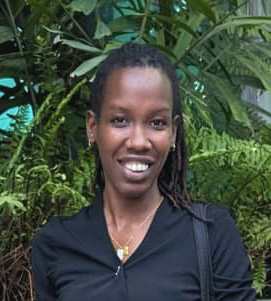
Project Manager: Ange Paulette GIRIZINA
Ange Paulette has a Bachelor’s degree in Psychology from Hope Africa University and a Master’s degree in Community Development from Kabale University of Uganda. She was an Administrative Assistant for Christ Burundi and is an Accountant and Centre Manager at ALARM. Ange Paulette plans to try to recruit an HAU Agriculture Program Graduate to work with the project and the project beneficiaries.
Introduction:
Bubanza is one of the western provinces of Burundi. The province is commonly said to be located in the Imbo Region. It is fertile and a good place to produce some food like corn, beans and peanuts once they are planted in a good season. The women of Kabirizi Colline are hard workers and fighters. They have learned to survive for themselves and for their children day by day, year-in and year-out despite the great challenges that surround them. Farming is the major source of income for the community women but since they have no land of their own to exploit they have to work for other people and they receive very little money for their hard work; it is just enough to feed the family for one meal.
That is why after consulting with their pastors and some community women, we decided that the best way to empower them and raise their economic welfare was to make them independent; to make them their own bosses. Instead of them going every day to farm for others, let them be gathered into an association, acquire their own land and farm for themselves. Once they get to sow, they will know that what they sow belongs to them. They will divide it between themselves, the rest they can sell and the money can be used to support ongoing, self-supporting crop cultivation. They are smart in what they do; they have been farming all their lives so they know most of the do’s and don’ts. The Project Manager will try to recruit one or two graduates of the Hope Africa University Agriculture and Zootechnic Institute to help with training on more productive agriculture methods and better animal care methods.
Besides, they will learn the power of working together since they are grouped into groups and thus will strengthen social cohesion through mutual aid. No one will be left to walk and work alone. They will strive and thrive together. We hope that many changes will be observed in the families of the beneficiaries in general and more particularly in the beneficiaries. In addition, the surrounding community will learn about these beneficiaries and, perhaps, try to work with others to alleviate their poverty through socio-economic development.
Developing the Association
With the help of the leadership of the local administration of Kabirizi Colline and the local churches, ten beneficiaries will be selected and told about the association and the project. The beneficiaries will include 10 poor and vulnerable women between 22 and 46, including 3 widows and 2 single mothers.
The beneficiaries will need to sign a contract agreement to join the association “Duhetswe n’Imana” which means “God Carries Us on His Back”. After the agreement is signed and the officers are elected, training on social cohabitation and income-generating activities will be held. The association officers, a President, Vice-president and the Secretary-treasurer, will plan and prepare the weekly meetings, facilitate the association members for the different daily issues and coordinate the daily activities of the association.
During field visitations, the Project Manager will continuously counsel the women about team work and the benefits that derive from it. The field visitation will happen at least once a month. In order to strengthen the association members, together with the officers, the Project Manager will organize different sessions for building capacities. These sessions will be beneficial to the women because they will provide some important skills relevant to their self-sufficiency, self-governance and self-sustainability.
Cultivating Crops
At the beginning and to initiate crop cultivation, the project grant money will be used to rent two fields of about 2 hectares for corn, beans and peanuts. Through capacity development trainings, the beneficiaries will learn higher techniques of planting corn, beans and peanuts, methods of increasing and managing the harvest. All the beneficiaries will work together on composting, planting, mulching, fertilizing, weeding and harvesting.
To ensure harvest good management, the beneficiaries will be distributed 50% of the corn and beans and peanuts harvest, 10% will be saved for seed and the other 40% will be sold and the money will be kept by the association to support ongoing crop cultivation. With this income for the first year, we hope the crop cultivation to become self-supporting so crop cultivation can continue year after year. To generate additional income, the beneficiaries will be encouraged to work for other farmers and divide the money between the association and the beneficiaries.
Breeding Animals
When crop cultivation has become self-supporting, the association will use the remaining grant money to purchase five (5) female pigs. The 10 women of the association will be grouped into five groups according to their neighbourhood and receive one pig (for every 2 women) and commit themselves to feed, care for and protect them from thieves as their contribution to pigs breeding. Grouping the beneficiaries into two by two will facilitate the feeding of the pigs. Later on, as the pigs will reproduce and multiply, every woman will receive a piglet to raise for their own household. Eventually, the association and the beneficiaries will have a number of pigs and some can be sold to generate income for the association and the beneficiaries. The goal here is to encourage all members to keep the bond strong and the association active so we they can eventually reach out to more women through an extension/replication of the project. To generate additional income, the beneficiaries will be encouraged to work for other farmers and divide the income between the association and the beneficiaries.
Microfinancing
The project will organize a self-help microfinancing group for income-generating purposes. In the beginning of the microfinancing, the start-up amount of one hundred thousand Burundi Francs (100,000 BIF) will be drawn from the grant money to help the beneficiaries start getting the loans. This amount will be kept securely in the bank account with the understanding that withdrawals must be approved in advance at an association meeting and withdrawals will require three signatures. The microfinancing money will be available for income-generating loans that must be repaid. The income will allow the women to buy personal items for themselves and the families. For continuing microfinance development, every beneficiary will contribute 500 BIF per week for the ongoing activities of the self-help microfinancing group. The collected money will be kept in a box with two locks and the keys will be held by different association members. The collected amount will not exceed twenty thousand Burundi francs in the box. The amount will be deposited to the bank account with the label of “WEEKLY CONTRIBUTIONS”. These activities will help develop the capacities of the association members and allow the women and the association to become self-supporting and self-sustaining.
Supporting Single Mothers of SASWE Colline, KIGAMBA Commune in CANKUZO Province through Cultivating Potatoes and Breeding Goats
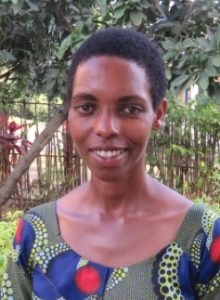
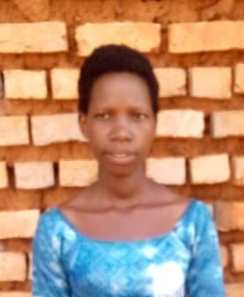
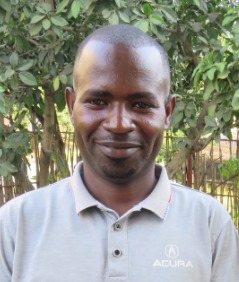
Project Managers: Divine NIRAGIRA and Sylvie NDAYIRUKIYE
Divine and Sylvie are both Hope Africa University Agriculture Program Graduates. They were selected by the Free Methodist Church of Burundi and received a two-year scholarship from Friends of Hope Africa University. As Project Managers and an Agriculture Program Graduates, Divine and Sylvie will be able to help the beneficiaries learn and use more productive methods for crop cultivation and better care methods for animal husbandry.
Introduction:
Cankuzo Province is one of the less populated provinces in Burundi. It is located in the east of the country close to Tanzania. Due to its large unexploited area and the fertility of the soil, Cankuzo is inhabited by many internal migrants from the provinces of Kayanza, Bururi, Ngozi, Kirundo and Karusi. Although this Province remains the envy of others, the natives of this province do not have the means to exploit the local opportunities available. Children from certain families do not attend school and others drop out due to recurring causes linked to poverty and unwanted pregnancies in schools.
This support project for single mothers on Saswe Hill in Kigamba Commune aims to reduce the poverty observed among single mothers by making them economically and socially independent through the integration of income-generating activities. Thus, to achieve the expected results, the project will bring together single mothers in an association called “TURASHOBOYE” (We Are Capable). The objective is to promote policy based on self-development and self-sufficiency until single mothers become actors in changing their living conditions. The promotion of agro-pastoral activities will be the basis of this association.
It seems that Cankuzo Province receives less attention than others and this agriculture development project is the first Haley-McCready Outreach and Development Fund project in Cankuzo. This is also our first project with a Project Coach; Epithace NDUWAYO, originally from Cankuzo. Epithace is a very good, experienced volunteer Project Manager for 3 projects, including one he started without a grant. Accordingly, he volunteered to help Divine and Sylvie with the development of their project proposal and will be staying on as a volunteer Project Coach.
Developing the Association
In the development of the association, different methods and techniques must be considered. The first step is to meet local leaders to explain to them about the TURASHOBOYE association, its objectives and its main mission for the interest of the community. The second stage concerns the beneficiaries selected in order to give them the overall image of the association and the conditions required to join it. The direct beneficiaries of the project will be 10 single mothers from Saswe Hill in Kigamba Commune aged 16 to 25 years old. The beneficiaries will democratically elect a President, Secretary and Treasurer of the association. The beneficiaries will register the association at the municipal level.
The third stage will be devoted to training beneficiaries on leadership, entrepreneurship and all other techniques deemed useful for the smooth running of activities. The beneficiaries’ meeting will be organized for every Thursday; a day during which the members will make their financial contributions and discuss the week’s activities. The association is expected to be a self-help organization that will help all the women and their families to alleviate poverty and improve their lives.
Cultivating Potatoes
In considering profitability, potato cultivation is preferred in Saswe Hill of Kigamba Commune. The Project Managers; Agriculture Program Graduates, and the association members will identify and select suitable land for cultivation and sign a rental contract in the presence of all beneficiaries. Likewise, cultivation materials will be purchased, including hoes that will be distributed to the women. All association members will participate in crop cultivation activities, including composting, planting, mulching fertilizing, weeding and harvesting. For each harvest, 40% of the harvest will be shared between members, 10% for stored for seed and 50% of the harvest will be sold to support crop cultivation for the next growing season. For the project to succeed, the crop cultivation function must become self-supporting. To generate additional income, the beneficiaries will be encouraged to work for other farmers and split the money between the association and the beneficiaries.
Breeding Animals
Goats are one of the fastest growing domestic animals that are much more resistant to disease. When the crop cultivation is self-supporting, the remaining grant money will be used to buy 10 female goats for association. With the hope that the first generation of goats will produce 10 kids, the baby goats will be given to the individual women. A goat stable will be built to properly house these animals. As it is currently prohibited to feed animals in pastures, all our goats will be kept and fed at the goat farm. All members of the association will take turns providing feed and a tripsacum (grasses) plot will be rented to support this activity. Experience has shown us that when we keep animals in the same place, this has a double advantage, obtaining a large quantity of manure and facilitating regular monitoring. As the goats multiply, the goats will be sold to produce some significant income for both the association and the beneficiaries and their families.
Microfinancing
A member’s contribution is the most important element that shows their commitment to activities. Each member will give 200 BIF as their own personal contribution every Thursday of the week. For the security of the money, an account with three signatories will be opened at COOPEC. All withdrawals will require advance approval in an association meeting. Members will have access to microcredit loans after the presentation of a small income-generating development project. The loans must be repaid but the generated income will allow the women to buy personal items for themselves and their family members.
Cultivating Beans and Corn and Raising Goats for Vulnerable Women in Kaburantwa Colline, Buganda Commune in Cibitoke Province
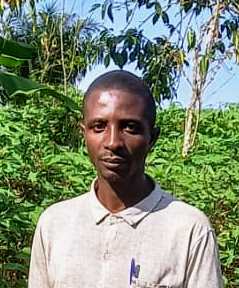
Project Managers: Emmanuel IRANDIHA and Adolphe NIYUBUNTU
Emmanuel and Adolphe are Hope Africa University Agriculture Program Graduates. They were selected by the Free Methodist Church of Burundi and received a two-year scholarship from Friends of Hope Africa University. As Project Managers and Agriculture Program Graduates, Emmanuel and Adolphe will be able to help the beneficiaries learn and use more productive methods for crop cultivation and better care methods for animal husbandry.
Introduction:
This project, “Cultivating Vegetables and Raising Goats for Vulnerable Women,” will be located in the western region of the country in CIBITOKE Province, BUGANDA Commune, GASENYI Zone, KABURANTWA Hill (Colline). Next to the national road number 10 (RN10), the BUGANDA Commune is located between the MURWI Commune in the North, RUGOMBO Commune on the West, BUBANZA Province to the South East and the Country of the Democratic Republic of Congo to the South. Although BUGANDA Commune is a farming area its primary problems are the weaknesses in management of agricultural and livestock production that results in insufficient quantities and not everyone shares evenly and adequately in the limited production.
Following the problems faced by poor and vulnerable women in households missing their husbands, the Projected Managers got together with some of them with a view of discussing the creation of a self-help association. Such an association could help them overcome poverty in their families. The project could allow the poor women to cultivate their own beans and corn and raise their own goats so that they can pay for their children to school and to have adequate food, clothing and meet other family needs.
In the end, it is hoped that these vulnerable women will be able to become self-supporting and self-sufficient through good management of their own more productive crop cultivation and their own better livestock care. The general aims of this agriculture development project is to help the association members; poor and vulnerable women, to work together to overcome poverty and to have adequate agricultural and livestock production and to popularize agro-zootechnical standards among the nearby villagers.
Developing the Association
In the developing the project association, the Project Managers will contact the local administration to describe the project plans and to acquire their permission and support. When the prospective association members have been assembled, they will be provided with a clear description of the project association and project plans. For the suitable and interested women, an invitation will be given to join the association. The members will be required to sign an agreement, promising to work well with the other members and fulfil all of the expectations.
The association will be comprised of ten (10) poor and vulnerable women aged from twenty-three to forty-six years (23-46) years). The association members will elect their officers; a President, Vice-president, Secretary, Treasurer and Advisor. Once the project association is established, it will be registered with the local administration. For financial security, the association will open a bank account with three signing officers.
The association will be a self-help association; a highly participatory, democratic organization. The officers will hold weekly meetings and all of the members will be expected to attend and participate. All of the members will participate in decision-making and all of the members will be expected to participate in all of the work. Through the association, the project and the beneficiaries are expected to become self-supporting, self-managing, self-governing and self-sustaining.
Cultivating Crops
Once the project has received the first installment of grant money, the Project Managers; Agriculture Program Graduates, and the association members will look for suitable rental land to have success in cultivating beans and corn. Fields will be selected and a rental contract will be signed and witnessed by the association members. The association members will be their own workforce and with guidance from the Project Managers all the members will work together on composting, seed selection, planting, mulching, fertilizing, weeding and harvesting. For all of the harvests, 50% will be shared among the members, 10% will be stored for seed and 40% will be sold in order to acquire enough money to support ongoing, self-supporting crop cultivation. To generate additional income, the beneficiaries will be encouraged to work for other farmers and split the money between the association and the beneficiaries.
Breeding Goats
Once the crop cultivation function is clearly self-supporting, the Project Managers can request the second installment money and buy animals. The project plans to purchase, raise and sell goats. With guidance from the Project Managers; Agriculture Program Graduates, the association members will use the grant money to build goat pens and purchase 10 healthy female goats. The first 10 goats will belong to the association but be cared for and fed by individual association members. When the goats produce the first kids, they will belong to the women. The goats will produce manure that can be added to the compost. As the goats continue to reproduce, the association and the association members will be to sell goats and, thereby, generate significant income for the association and the individual association members and their family members.
Microfinancing
The association will develop an internal microfinancing program. To develop capital for the microfinancing function, each project beneficiary will be required to contribute 500 BIF at each weekly meeting. The accumulating money will be deposited in the association’s bank account that requires three designated signing officers. Any withdrawal must be approved in advance during the weekly association meeting.
As the money accumulates, the microfinancing program will allow the association members to have repayable loans for income-generating activities. Although each loan must be repaid in full, the additional money acquired from the income-generating activities can be kept and used to purchase personal items for the member and their family members (e.g., soap, shoes, school uniforms, school fees, medicine, etc.).
Growing Maize and Beans and Raising Goats for Vulnerable Women in the Bumbiri II and Kaburantwa Sectors, Gasenyi Zone, Buganda Commune, Cibitoke Province
Project Manager: Sadi BIGIRIMANA
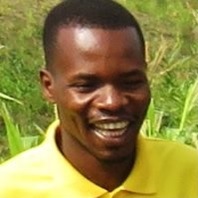
Sadi is a Hope Africa University Agriculture Program Graduate. He was selected by the Free Methodist Church of Burundi and received a two-year scholarship from Friends of Hope Africa University. He is a Connected Agriculture Program Graduate for another agriculture development project in Cibitoke Province. As Project Manager and an Agriculture Program Graduate, Sadi will be able to help the beneficiaries learn and use more productive methods for crop cultivation and better care methods for animal husbandry. Sadi works for the Hope Africa University on their farms and he is a Pastor with the Free Methodist Church of Burundi at the RUHAGARIKA Parish, KAGUNUZI District and a Field Technician with the TAGATA MURIMA W’ISANGI Cooperative.
Introduction:
Cibitoke is a province in Western Burundi on the border of two countries; Democratic Republic of Congo and Rwanda. The project will be based in the Buganda Commune, more precisely in the Gasenyi Zone. In Cibitoke many men leave their homes and go to the neighbouring countries to look for work. This leads many women to stay at home and work alone worrying about raising their children and taking care of household responsibilities. Many others are widows who are unable to care for their children’s education and lack access to health care. Women in this region survive by working on other farmers’ properties and earn only a little money which they spend directly on evening meals. These women constitute the most vulnerable link in the production chain. They encounter more difficulties than men in accessing credit. This discrimination takes place in a patriarchal context where women’s rights have been violated. Thus, family income and well-being of family members are negatively affected.
This project will be a solution for vulnerable women in the Gasenyi area by changing their living conditions. They will also be able to find what they need to self-finance, which will help them become better farmers and breeders and develop themselves and their households. We hope that other people in the region will follow the association’s example and start self-help groups in other regions to improve their living conditions.
As Project Manager, Sadi will raise awareness about income management and teach them the importance of working together to fight poverty. In short, this project will help these vulnerable obtain food in sufficient quantity and quality to improve their living conditions, which will lead to better health.
Developing the Association
The Project Manager will collaborate with local administration to identify and select vulnerable women to register in the association. The women will be informed about the project and the association. The ones who seem suitable and interested will be invited to join the self-help association by signing an agreement to work well with the other members on the development activities. The association members, 10 poor and vulnerable women between 30 to 45 years of age, will elect their officers; a President, Secretary-Treasurer and an Advisor. The TWIKANGURE association (Let’s Wake Up) will have regular meetings and all of the members will attend and participate in the meetings and contribute to all of the project work. The association will engage the beneficiaries to work together to become self-supporting, self-governing and self-sustaining.
Cultivating Crops
The association members will be responsible for contributing to all of the crop cultivation process. With guidance from the Project Manager; an Agriculture Program Graduate, the association will select and rent two plots of land in the Gasenyi Zone, each with an area of 30 x 60 meters. The association will select and purchase white corn and bean seeds. The members will do the composting, planting, mulching, fertilizing, weeding and harvesting. When distributing the harvest, the women will share 50% of the harvest equally, 10% will be reserved for seeds for the following season and 40% will be sold and the money will remain in the association’s account to be used for the continuing, ongoing crop cultivation. For additional income, the Project Managers will encourage the women to work for other farmers and divide the income with the association and the beneficiaries.
Raising Goats
When the ongoing crop cultivation has become self-supporting, the Project Manager will request the second installment of the grant money and the association can begin raising goats. The project will build a stable for the goats and the will purchase 10 female goats that will belong to the association. All of the beneficiaries will share in the responsibility of feeding and caring for the goats. The manure will be collected and used for composting. As the goats multiply, the baby goats will be given to the individual association members. Eventually, the association and beneficiaries will have a number of goats that can be sold to produce additional income for the association and women and their families.
Microfinancing
The association will establish an internal microfinancing program. Some of the grant money will be used to capitalize the microfinancing fund and the association members will contribute 500 BIF per week. The money will kept securely with three different association members involved in depositing and withdrawing money. For continuing microfinance development, the collected money will be kept in a box with two locks and the keys will be held by different association members. The collected amount will not exceed twenty thousand Burundi francs in the box. The amount will be deposited to the bank account with the label of “WEEKLY CONTRIBUTIONS.” Any withdrawal will require advance approval during a meeting. The money will be used for social assistance and repayable loans for income-generating purposes. The income-generating activities will allow the women to acquire additional income for personal and family expenses.